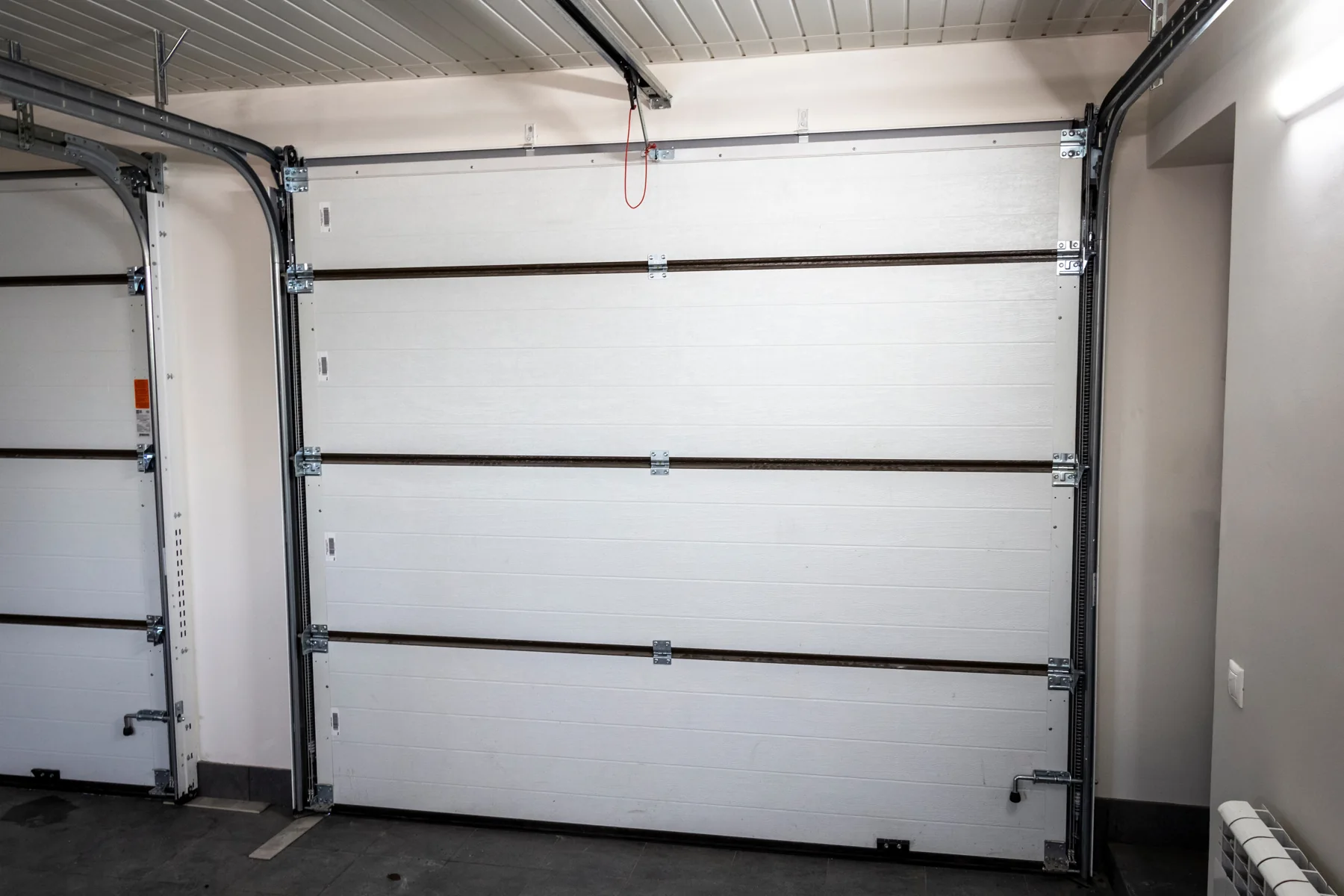

Residential and commercial garage door repair across the OKC Metro and surrounding 100-mile service area. Start with the symptom; let us help you decide the next step.
Residential & commercial • Available 24 hours, 7 days a week
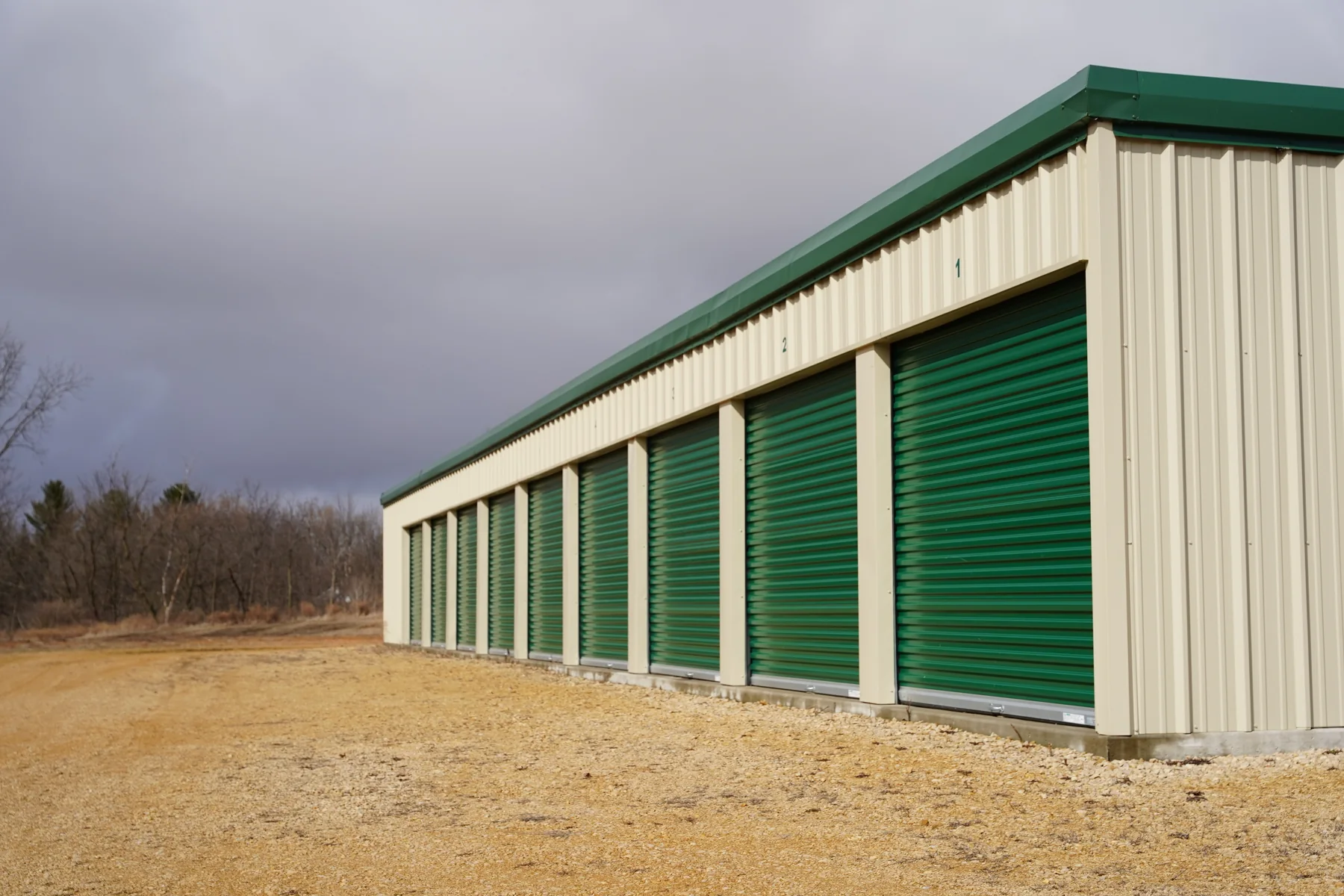
For sectional doors, rolling doors, operators, and business access.
Explore repairs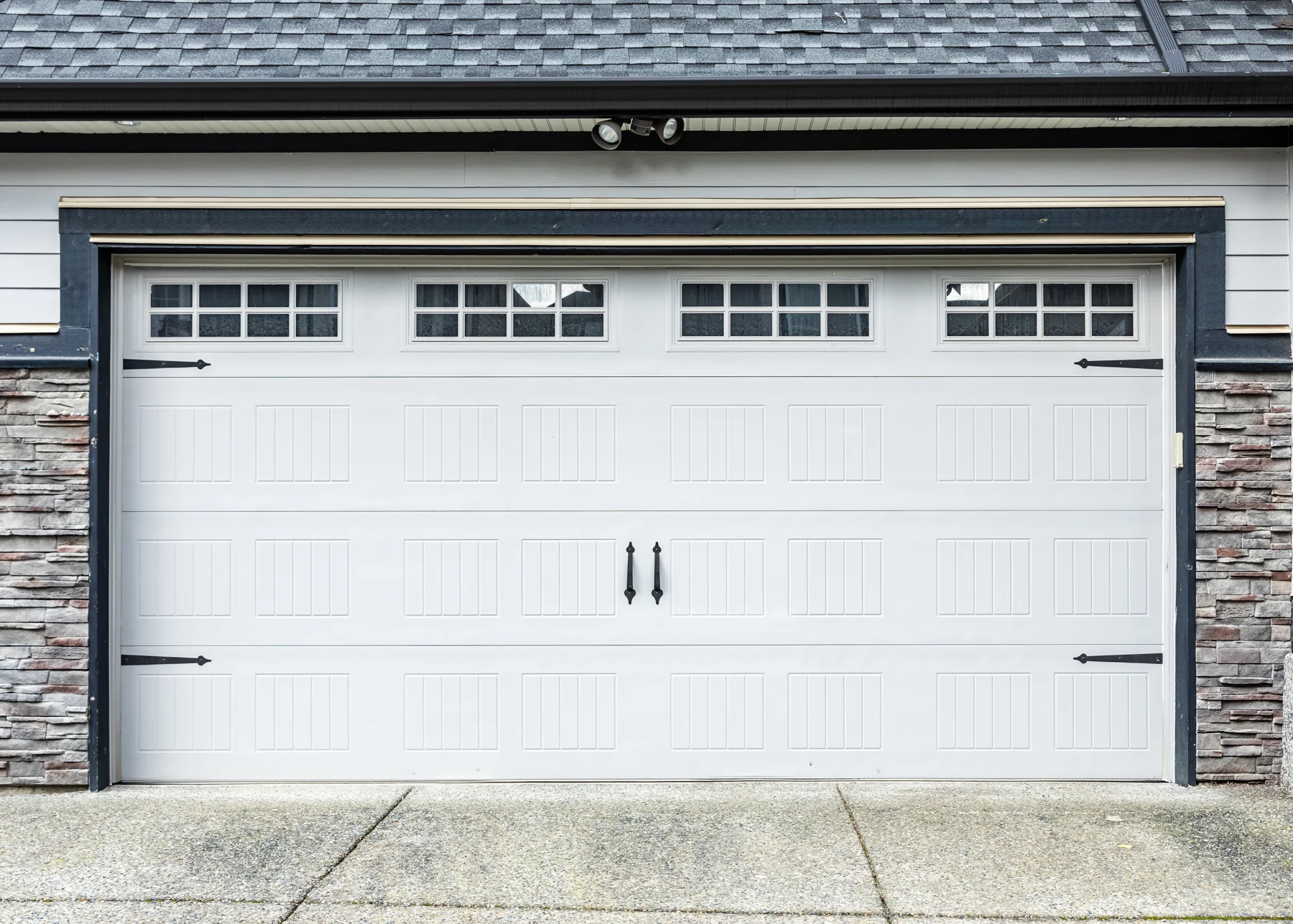

Match the door to the opening, workflow, and operating demands.
Explore salesPhotos illustrate door types and applications; logo overlays identify our brand.
A broken spring, power issue, trolley fault, or binding door can look like a failed motor. Stop repeated attempts and describe what you hear and see.
Obstructions, photo-eye alignment, travel settings, or mechanical resistance need different fixes. Safety devices must remain active.
A failed counterbalance can leave the door dangerously heavy. Keep clear and request trained service; do not adjust springs or bottom brackets.
Cable, drum, roller, and track damage can leave a door unstable. Stop operation and keep people away from the opening.
Rollers, hinges, bearings, fasteners, or the opener drive may be involved. Correct lubrication follows the model instructions and does not repair worn parts.
We consider structural damage, matching section availability, and overall condition before discussing panel replacement versus a new door.
A working wall control with a failed remote points to a different problem than a completely dead opener. Note which controls work and any error lights.
Worn seals, uneven floors, drainage, and door alignment all matter. New weatherstripping cannot make every opening watertight.
Age alone is not a diagnosis. Door balance, drive components, electronics, safety features, and parts availability determine whether repair makes sense.
Do not force a frozen or visibly damaged door. Report when the issue started and whether ice, wind, debris, or an impact preceded it.
Commercial tracks, rollers, cables, drums, and springs must match the door and usage. Isolate the affected opening and describe the door size and lift configuration.
Bent slats, guide damage, bottom-bar problems, or barrel components can interrupt rolling-door travel. Do not force the curtain or enter beneath it.
Duty cycle, electrical supply, mechanical resistance, and thermal protection may be involved. Record operating frequency and fault indicators for diagnosis.
Drive, coupling, hoist, or door-hardware problems may explain the symptom. A running motor does not prove that the operator or door is healthy.
A damaged safety edge, sensor, connection, or obstruction may prevent closing. Do not bypass protection to restore production.
Damage can extend beyond the visible dent into guides, tracks, supports, and lifting hardware. Keep traffic clear until the opening is assessed.
Perimeter and bottom seals affect drafts, dust, and weather entry. Door fit, floor conditions, and the building envelope require a combined review.
Interlocks, control stations, access devices, and operating procedures must work together. Tell us whether the issue occurs at every control point.
A business door may cycle far more often than a household door. Inspection intervals and replacement specifications should reflect actual use.
Identify the label and intended function before scheduling. Fire-rated, high-speed, and other specialized systems require appropriate scope, qualifications, and procedures; confirm availability for that system.
A slow door does not automatically need a bigger motor. The assessment starts with the door condition and counterbalance, then considers the opener or commercial operator.
Ask for the reason behind a repair or replacement recommendation. Do not increase force settings to hide a door problem or open electrical housings yourself.
Explore opener and operator questionsLook for visible seal gaps and accumulated debris from a safe position. Ask about worn rollers, bearings, and manufacturer-approved lubrication. A door that already strains or binds needs diagnosis before cold weather adds another variable.
If a seal appears frozen to the floor, stop repeated opener attempts. Keep clear of bent, loose, or hanging components. Describe the weather and symptoms when calling; we assess the actual condition rather than assuming weather caused every fault.
Follow the door and operator manuals for maintenance. Commercial schedules should account for operating cycles, exposure, and site conditions. Track unusual noise, intermittent faults, rust, finish damage, and seal wear so changes can be explained during service.
Homes and businesses across the OKC region can encounter freezing conditions, moisture, wind, and summer heat. Exposure differs by building and opening; these are regional care considerations, not a town-specific weather diagnosis.
Safety reference: DASMA garage door system guidance. Weather reference: National Weather Service winter safety.
Call 405-529-1086 or send a request. Include your town, property type, symptoms, and whether the opening is unsafe or blocking access.
We discuss scope, location, and availability before confirming the appointment. The $175 visit and assessment payment is credited toward the job total.
Additional repairs and parts require approval and cost extra. Discuss repair, maintenance, or replacement based on the condition found.
Available for calls 24/7. Dispatch timing depends on location, conditions, and availability. The service-call payment is nonrefundable unless management approves an exception. Read the payment terms.
Tell us what you need, where you are, and whether it’s a home or business. We’ll follow up to discuss the job and scheduling.
Open 24/7 • Seven days a week
Fields marked * are required.
Find answers about service, door options, scheduling, and care.
50 answers available
Yes, request an assessment. A lifting-system fault, binding door, or opener issue may be involved. Stop repeated operation and describe whether the door is crooked or makes an unusual sound.
No. Humming can accompany several electrical or mechanical faults. The door and opener must be evaluated together before recommending parts or replacement.
Age is one factor, not the whole decision. Condition, safety features, repair history, compatible parts, and replacement cost all matter.
Ice at the floor, seal condition, lubrication requirements, and existing mechanical resistance are possible contributors. Tell us whether it improves later in the day; do not force the door.
Ask when scheduling so seal gaps, perimeter condition, and the floor interface can be considered with the repair. Drainage issues may need separate work.
A dent may be cosmetic or may affect section alignment and structural condition. Describe the damage and stop using the door if movement has changed.
The door condition, balance, size, drive compatibility, clearance, controls, and safety requirements are considered before selecting an opener.
Use the initial form to describe it and ask how to share photos during follow-up. Photograph only from a safe location; do not stand beneath an unstable door.
Lubrication does not restore metal damaged by corrosion. A professional assessment distinguishes routine maintenance from components needing replacement.
Keep people away from an unstable opening and call 405-529-1086. Explain the security concern and confirm current availability; immediate arrival is not guaranteed.
Commercial work may involve larger doors, rolling curtains, different lift arrangements, specialized controls, higher operating frequency, and site coordination. Identify the system before scheduling.
Do not assume it can. Operator selection depends on the door, duty cycle, controls, electrical requirements, and manufacturer specifications.
Thermal protection, duty limits, electrical issues, or excess mechanical load are possible causes. Record the sequence and fault indications; repeated resets can hide the underlying problem.
Yes, request a multi-door assessment. Number each opening, list its symptoms, and identify the site contact and who can approve the work.
No. A rolling curtain and a sectional overhead door use different guides, lifting parts, and operating arrangements. The repair must match the system.
No. Keep safety devices active and arrange diagnosis. Control the affected opening and vehicle traffic according to your site procedures.
Provide opening dimensions if known, door type, operating frequency, fault symptoms, control type, business hours, and access limitations.
Specialized systems require scope and qualification checks. Provide the model and application so availability can be confirmed before a visit is scheduled.
Take the opening out of use and keep people and equipment clear. Visible panel or guide damage may accompany damage to supporting and lifting components.
Use manufacturer guidance and actual cycles, environment, and business demands. High-use or exposed openings can need closer attention than lightly used doors.
Possible causes include a power interruption, opener fault, damaged hardware, or a spring problem. Stop operating it if it is crooked, unusually heavy, or making grinding sounds.
An obstruction, sensor issue, binding hardware, or an opener setting may be involved. Keep the opening clear and arrange an inspection if the problem continues.
Stop using the door and keep people and vehicles away from it. Do not try to force it back into place; request professional service.
Do not continue operating a door with a suspected broken spring. Its weight may no longer be properly counterbalanced, creating a risk of uncontrolled movement.
A broken spring is one possibility, but the noise alone is not a diagnosis. Avoid cycling the door and arrange an inspection of the door system.
Uneven lifting can be caused by cable, roller, track, or spring problems. Keep clear of the door and have the full lifting system inspected.
Sometimes. Matching panel availability, door age, structural condition, and compatibility determine whether a panel repair or a complete door replacement makes more sense.
Worn rollers, loose hardware, track problems, or opener wear can cause noise. A technician can identify the cause and recommend appropriate maintenance or repair.
No. Forcing it can worsen damage or cause unexpected movement. Keep the area clear and request a diagnosis.
Yes. Cables are part of the lifting system. A damaged or loose cable can leave the door uneven and unsafe to operate.
It depends on the fault, unit condition, safety features, and parts availability. An inspection can establish whether repair is practical.
Remote batteries, programming, a lock feature, interference, or receiver trouble may be involved. Consult the model instructions before changing settings.
Often, but the existing door must be in suitable condition and compatible with the new opener. Door balance and the lifting hardware should be checked first.
An opener should not compensate for a door that is improperly balanced or binding. Correct the door problem before choosing or replacing the opener.
Compatibility depends on the opener model and its control technology. Have the model information available when requesting options.
Compatible models may offer app control and activity notifications. Confirm device compatibility, Wi-Fi needs, and any subscription terms before purchase.
Operation depends on whether the opener has a working battery backup and on the door condition. Follow the manufacturer's instructions and never release an unstable or damaged door.
No. Door size, weight, clearance, track configuration, and intended use affect opener selection. Commercial and residential systems can have different requirements.
Safety devices should remain functional. If a safety device prevents operation, arrange diagnosis rather than bypassing the protection.
If accessible without a ladder or entering a hazardous area, note the opener brand and model. Do not climb or stand beneath a damaged door to find a label.
Call 405-529-1086 or use the request form. Include your city, whether the property is residential or commercial, and a brief description of the issue.
Garage Door Repair & Sales is available 24 hours a day, seven days a week. Call for current scheduling and dispatch availability.
Yes. Our service area includes Oklahoma City, Yukon, El Reno, Midwest City, and surrounding communities within approximately 100 miles of OKC.
Yes. Select Residential or Commercial on the request form so we can understand the property and door requirements.
Yes. Call 405-529-1086 for an urgent request at any time. Tell us whether the door is stuck open, damaged, or preventing access.
No. We first review the request and confirm availability with you. After confirmation, the initial service-call payment is $175, charged immediately and credited toward the job total.
Provide your name, phone number, city, property type, and symptoms. Door size, opener model, and when the problem started are also useful.
The $175 payment is nonrefundable unless management approves an exception. Read the service-call terms before paying. The charge covers the visit and assessment, not an unlimited repair.
The standard service-call charge is $175 to visit and assess the door. It is paid after the appointment is confirmed and credited toward the job total. Additional approved work and parts are billed separately.
No. Travel, current workload, weather, and the type of equipment needed affect scheduling. Call for the current arrival window.
No matching questions. Call us at 405-529-1086 for help.
A repair, a replacement, or a fresh look. Let’s talk.